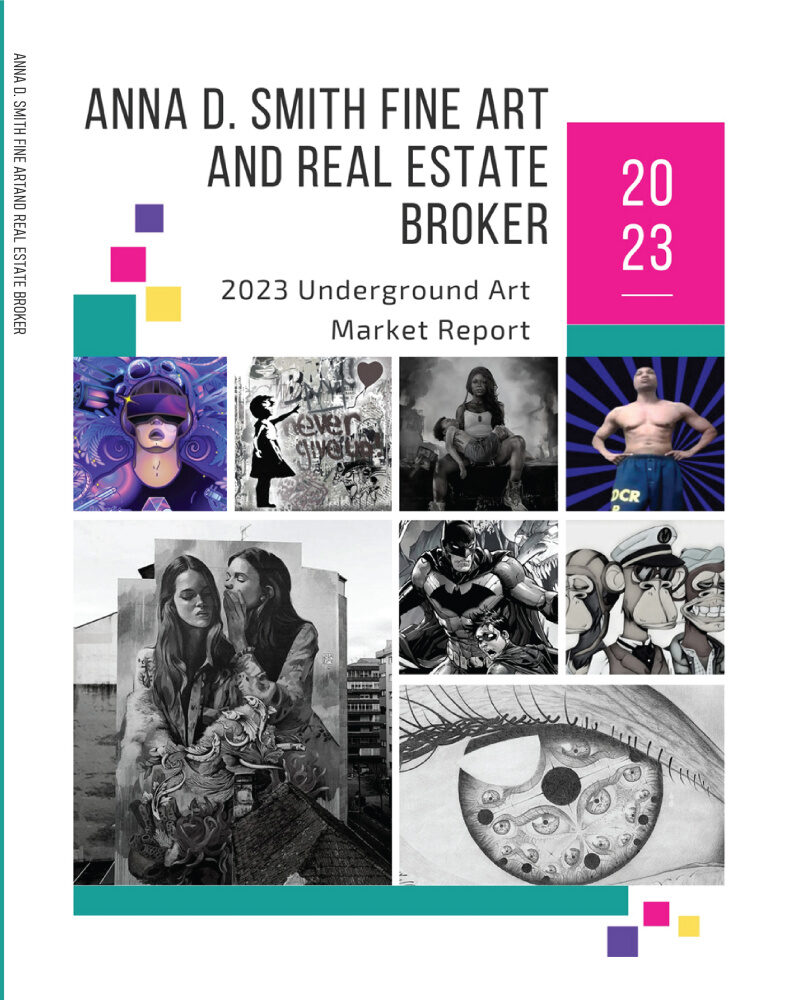
In the digital era, art has found a new home online. A recent study reveals the profound impact of online digital art exhibitions on mental well-being, particularly for Generation Z users. The research, conducted by a team of psychologists and design experts, delves into the psychological responses of participants to website aesthetics and its influence on place attachment and loyalty behaviors.
The Intersection of Art and Technology
Fanyi Pan, a Brooklyn-based Interaction Designer, and UI/UX artist, is at the forefront of this movement. With a background in architectural design, she masterfully merges art and technology to create immersive, narrative-driven experiences in virtual spaces.
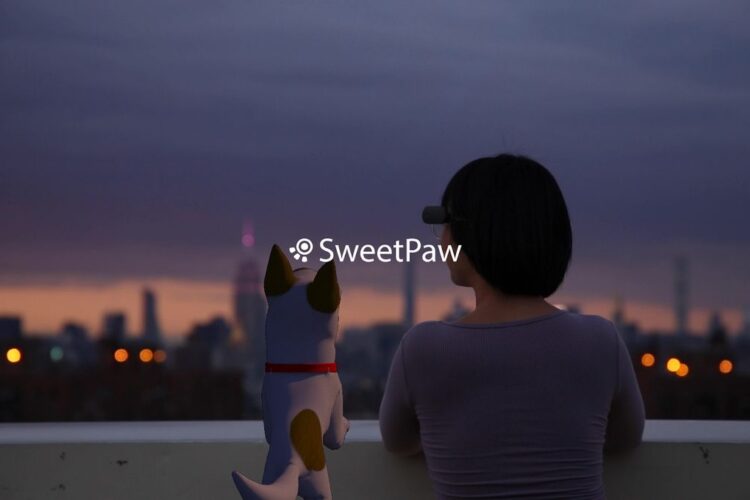
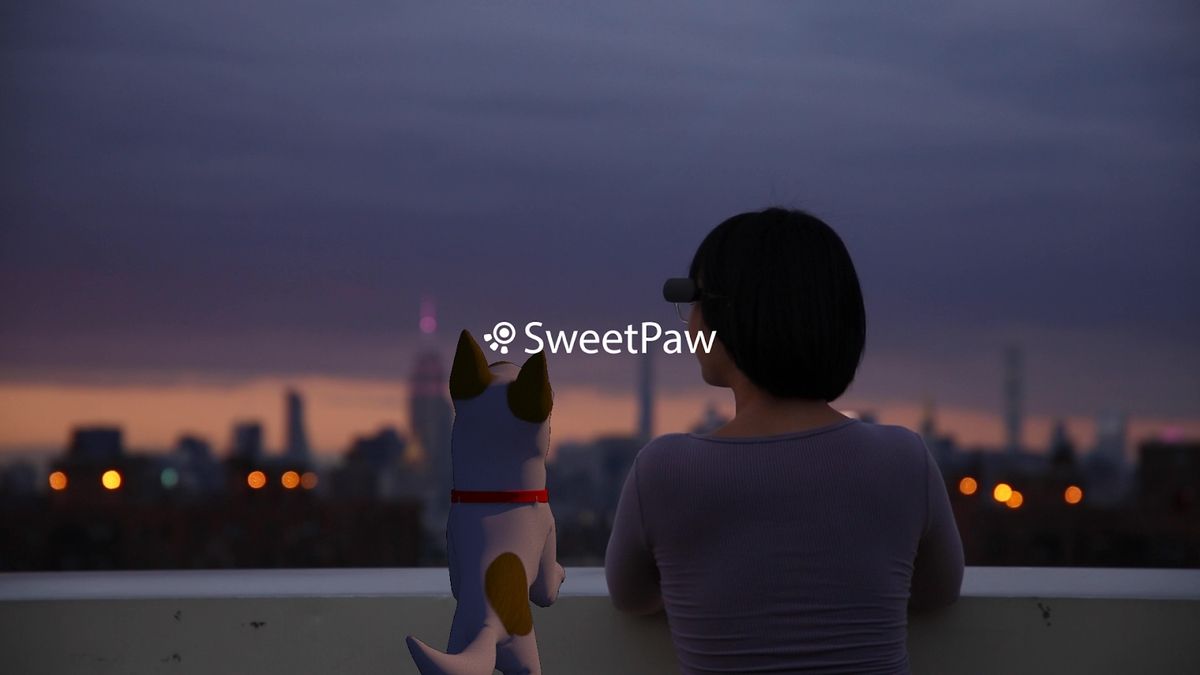
Pan’s portfolio includes work on Satori.finance, a crypto perpetual trading platform that reached an impressive $65 million USD in daily trading volume. She also developed ‘Sweetpaw’, an AR app for diabetes management.
Aesthetics and Mental Well-being
The study found that website aesthetics significantly influence perceived restoration among users. Immersion emerged as the most influential factor, with participants reporting feelings of relaxation, focus, and inspiration when engaging with aesthetically pleasing digital art exhibitions.
Generation Z users, who are digital natives, showed stronger emotional connections to these platforms. They expressed a sense of place attachment and exhibited loyalty behaviors towards the websites they found most aesthetically appealing.
Facilitating Emotional Healing
Online digital art exhibitions offer more than just visual stimulation; they provide opportunities for emotional healing. By fostering immersion, these platforms can contribute to psychological well-being.
As we navigate the complexities of today’s world, the importance of mental health cannot be overstated. This research underscores the potential of digital art to serve as a tool for promoting mental wellness, especially among younger generations.
Fanyi Pan’s work embodies this potential, demonstrating how the integration of art and technology can create spaces that resonate with users on a deeply personal level.
In the cacophony of the digital world, her creations offer sanctuaries of calm, inspiration, and restoration. As we continue to explore the intersection of art and technology, it is clear that the possibilities are as limitless as the human imagination.
Note: This article does not aim to diagnose or treat any mental health conditions. If you’re struggling with mental health issues, please seek help from a qualified professional.