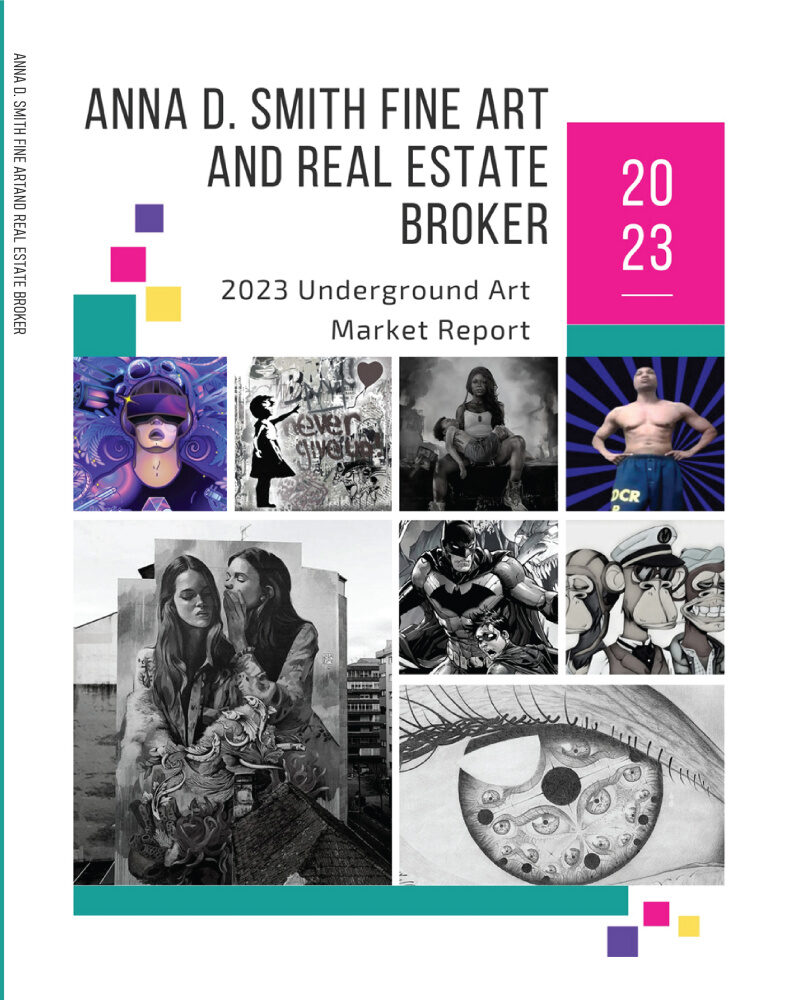


The concept of fractional Non-Fungible Tokens (NFTs) is revolutionizing the digital asset market by enabling more accessible and diversified investment opportunities. This innovation allows investors to own shares of high-value NFTs through a process known as tokenization, thereby increasing liquidity and democratizing access to what were once exclusive assets. With key figures like Jyotsna Hirdyani and platforms such as Sandbox and Decentraland pioneering this movement, the fractional NFT sector has witnessed remarkable growth, signaling a shift in investment paradigms towards more distributed ownership models in the digital age.
Unlocking New Investment Frontiers
Fractional NFTs are transforming the landscape for investors and collectors by breaking down high-value digital assets into more affordable segments. This democratization of access enables even small-scale investors to partake in the ownership of coveted digital art and other NFT-based assets, which were previously out of reach due to their hefty price tags. By facilitating partial ownership, fractional NFTs enhance liquidity in the market, making it easier for owners to sell shares of their assets and for buyers to enter the market at lower price points.
Expanding Use Cases Across Industries
Beyond democratizing investment, fractional NFTs are carving out new use cases across various sectors. In the metaverse, these digital assets facilitate the purchase of virtual properties and other digital assets, thereby enriching the virtual economy. The gaming industry benefits from fractional NFTs by enabling in-game asset trading among players, adding a new layer of complexity and engagement to multiplayer experiences. Additionally, the real estate sector is witnessing a paradigm shift with fractional NFTs making property investments more accessible and economical, showcasing the wide-ranging impact of this innovation.
Future Prospects and Regulatory Landscape
As the market capitalization of fractional NFTs continues to grow, the future looks promising for distributed ownership models. Innovations in blockchain technology and evolving regulatory frameworks are expected to further mainstream acceptance of fractional NFTs. However, the sector also faces challenges, particularly in terms of regulatory recognition, as these digital assets are not yet classified as securities. Despite these hurdles, the potential for fractional NFTs to sustain investor interest during bearish market periods and to reshape ownership and investment paradigms in the digital age remains significant.
The rise of fractional NFTs marks a significant milestone in the evolution of digital assets, offering a glimpse into a future where distributed ownership and investment in digital and virtual assets become the norm. As the market continues to mature, the integration of fractional NFTs across various industries is likely to expand, paving the way for more innovative and inclusive investment models in the digital economy.