
Frank Moscow
Moscow is the founder of AdoptOneBlock. He lives in Portland.
Earlier this year, Gov. Tina Kotek convened a task force to develop recommendations on how to revitalize downtown Portland. For several weeks, representatives from the public, private and nonprofit sectors have served on subcommittees tackling specific aspects including public safety, homelessness and clean-up efforts.
As both a member of the “Livable Neighborhoods” subcommittee contributing to this effort and the founder of AdoptOneBlock, which enlists 8,000 volunteers to pick up trash, I deeply share the governor’s vision for restoring Portland “as one of the cleanest cities in the U.S.”
But with only one meeting left before our subcommittee submits our recommendations˛I am concerned we are focused on short-term, feel-good actions and not addressing the long-term root causes that got us here in the first place. While I have every confidence the city will improve based on the actions of this group, my fear is that after an initial flurry of action, we will be back in the same place next fall that we are in today.
I urge my fellow committee members to explore in our final meeting some of the following recommendations developed by our volunteers – or that Gov. Kotek ensure that these ideas receive consideration in another subcommittee or follow-up work group. It took years for Portland to end up in its current state, and it will take a consistent, concerted effort to bring it out.
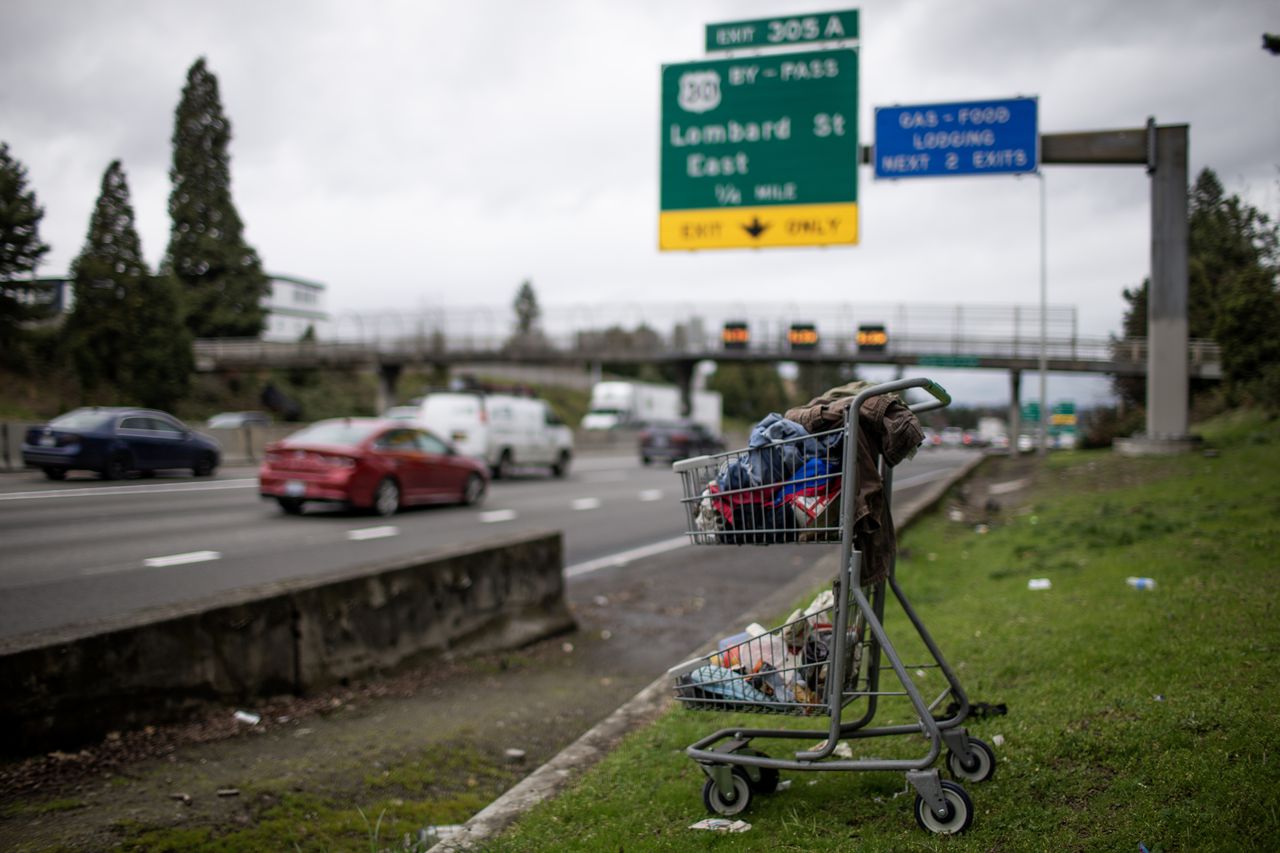
1. Require the Oregon Department of Transportation to implement regular weekly routes to clean up their land. Their property – such as the land bordering the highways from the Portland International Airport to downtown Portland and the area north of downtown – is the most consistent eyesore visible to tens of thousands of people daily.
2. Ensure that Union Pacific Railroad commits to consistent clean-ups of trash and graffiti on their land. While the governor’s announcement this week of “immediate action” to address this problem is promising, such clean-up must be periodic, not episodic. Union Pacific’s long-standing failure to clean up its property already prompted the city of Eugene to fine it $200,000.
3. Enforce and strengthen existing laws about illegal dumping, graffiti and littering. Our current system makes it easy and without serious penalty for people to leave old refrigerators, deface property or otherwise trash our community. We need to change the equation with higher fines and real enforcement to make it harder to do the wrong thing so that people do the right thing and dispose of items properly and recycle.
4. Restore once-a-week trash pickup for homes in Portland like every other neighboring municipality.
5. Add more trash cans along busier streets and service them more frequently. Also, we must improve the locking mechanism on these public cans to avoid people breaking into the cans and spreading trash.
6. Offer large item removals. Do what several other cities do – have one to two days each year when trash haulers and municipalities will pick up just about anything you leave at the curb. Large item removals are both expensive and hard to access for the everyday citizen. We must make this easier to discourage illegal dumping.
7. Bring back street sweeping. This used to be one of the regular ways the city served our neighborhoods. Not so fun fact: The city’s fleet is so old, there’s often only one functioning street sweeper for the entire city.
8. Remove bureaucratic barriers and simplify the grant application process so that small neighborhood groups and nonprofits can get involved and help with clean up.
9. Have TriMet install and regularly service trash cans at bus stops. Every bus stop should have a trash can available for people to use. This would not only keep trash off the streets but would keep buses clean and safe. Where there are no trash cans, there is trash.
10. Clamp down on bottle deposit abuses. As our subcommittee recently discussed, people are using food stamp cards to buy bottled water, dumping the water and caps on the ground, then taking the bottles for the refund, with some then buying fentanyl. How do we address this within the food stamp card or bottle bill to eliminate something that has a bad effect all around?
We will only achieve the governor’s goals when we move past a mentality of cleaning up after the fact to more systemic and meaningful changes that address trash at the source.
Share your opinion
Submit your essay of 500-600 words on a highly topical issue or a theme of particular relevance to the Pacific Northwest, Oregon and the Portland area to commentary@oregonian.com. Please include your email and phone number for verification.