
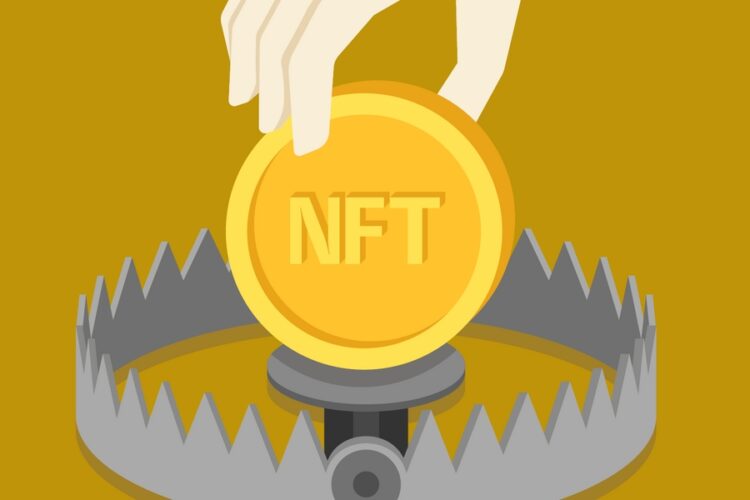
NFTs in Gaming: Revolutionary Tech or Disruptive Trend?
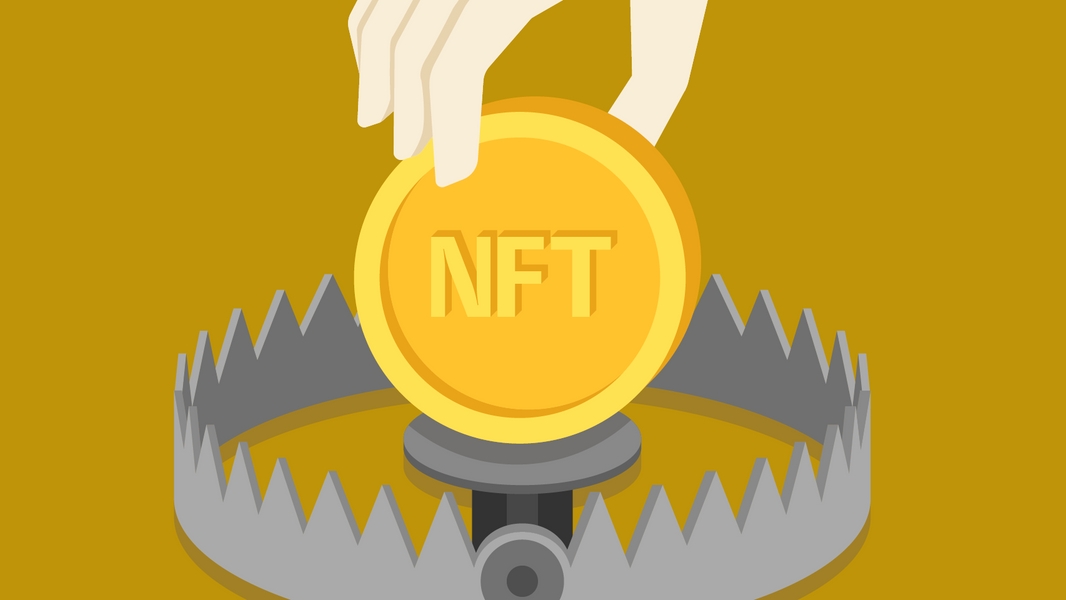
The rise of non-fungible tokens (NFTs) in the video game industry has ignited a fiery debate within the gaming community and the industry at large. NFTs, unique digital assets authenticated via blockchain technology, have the potential to reshape the gaming landscape. Yet, they also raise concerns about environmental impact, market manipulation, and the invasion of speculative investment in entertainment.
The Promise of NFTs in Gaming
Proponents argue that NFTs can revolutionize gamer interaction, offering true ownership of in-game items, the ability to trade them outside the game’s ecosystem, and the chance to earn real-world value from gaming achievements. They believe NFTs can introduce scarcity and collectability to digital items, thereby creating new economic opportunities and enriching the gaming experience.
The Criticisms
However, critics express concern over the environmental cost of blockchain technology, which underpins NFTs. Blockchain’s energy-intensive process has been a point of contention, leading to apprehensions about its potential impact on climate change. Critics also worry about possible market manipulation and the introduction of speculative investment in a space traditionally viewed as pure entertainment. There’s a fear that the focus on monetization through NFTs could lead to game design that prioritizes profits over gameplay quality.
The Uncertain Future
The implementation of NFTs in games is still in its infancy, leaving many questions unanswered. How will they be regulated? Will they gain widespread acceptance among gamers? Despite these uncertainties, several game developers and companies are exploring the integration of NFTs into their products. They are conducting experiments and launching new projects that incorporate blockchain technology. The gaming industry’s approach to NFTs remains a fluid topic, with the potential to shape the future of gaming.