Stolen Banksy Artwork Ignites Debate on Street Art Preservation
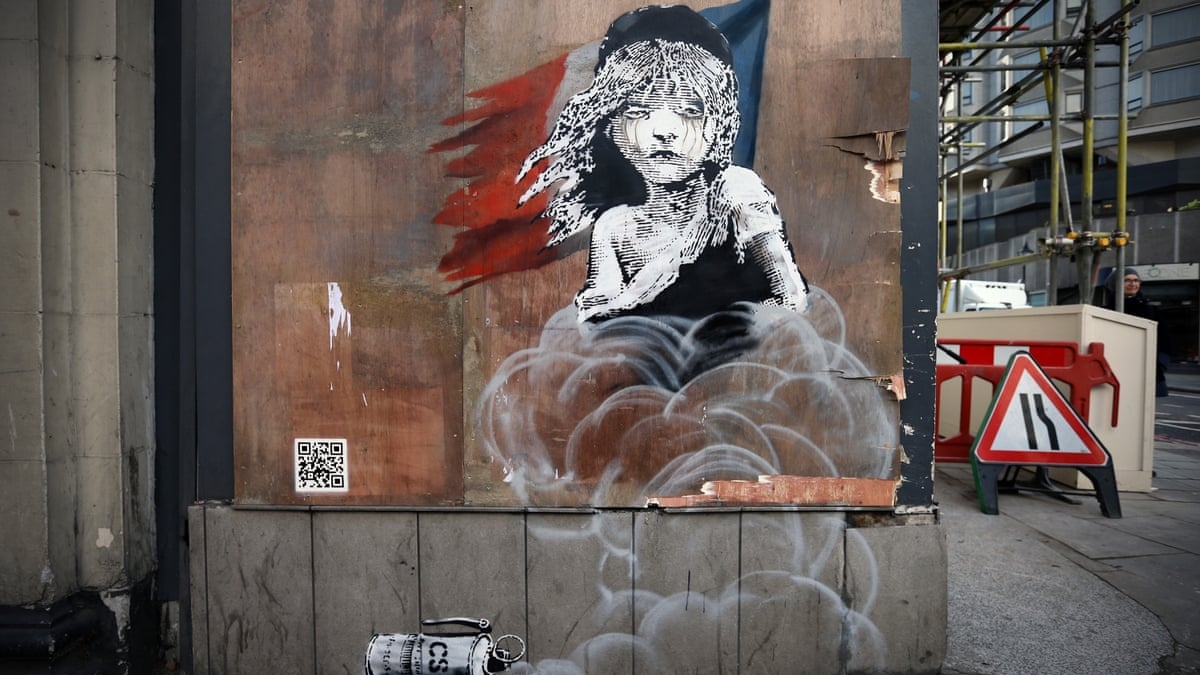
The art world is once again hit by a wave of controversy as a piece by the renowned yet enigmatic street artist Banksy was stolen in south London. This latest incident heightens the ongoing debate about the preservation of street art, a genre inherently vulnerable due to its public and often unprotected nature. The piece, a stop sign adorned with three military drones, was interpreted by many as Banksy’s call for a ceasefire in the Gaza Strip.
Art Theft in Broad Daylight
A man in his 40s was arrested on suspicion of theft and criminal damage, marking the second arrest in connection with the case. The first suspect, a man in his 20s, was released on bail. Witnesses reported the theft occurred less than an hour after Banksy posted a photo of the piece on Instagram. The incident, captured in photos and video, quickly went viral on social media platforms.
Banksy’s Art: A Target for Criminal Acts
Banksy’s works, known for their critical views of war and societal issues, are often targeted for theft and vandalism. The motives behind these criminal acts vary, from financial gain given the high market prices Banksy’s art commands, to ideological opposition to the messages conveyed in his artwork. This theft highlights the tension between the public accessibility of street art and its commodification in the art market.
Finding a Balance: Protection versus Accessibility
Some measures have been taken to protect Banksy’s work, such as installing protective coverings or relocating the pieces to secure locations. However, these actions spark debate about how to balance the protection of street art without undermining its accessibility and the artist’s intent for it to be seen and experienced in a public space. As the London Metropolitan Police continue their efforts to recover the stolen Banksy piece, the debate about the preservation of street art remains unresolved.