
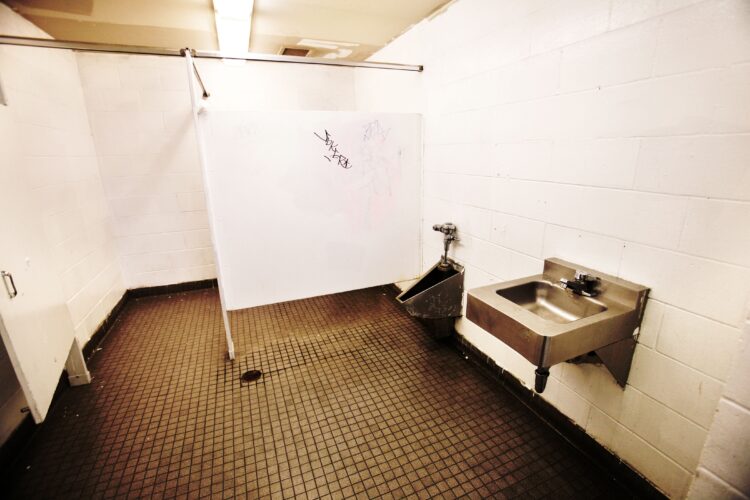
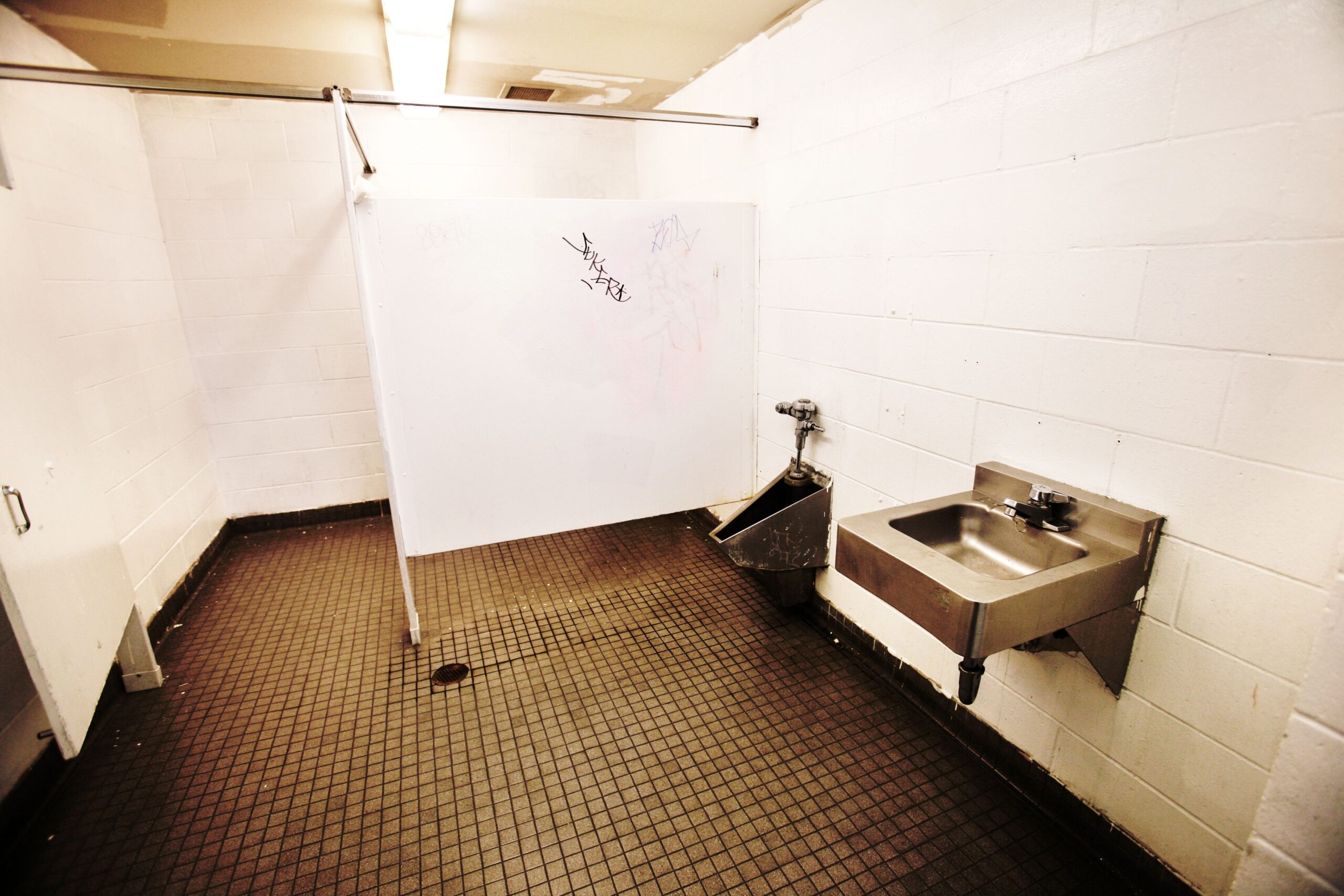
Hollie Service-Thorpe and Erin Hayes, from Roscommon Community College, took part in this year’s young scientist competition. They analysed the graffiti found in both the male and female bathrooms in their school, as well as an all-boys school, and compared their findings.
“As transition-year [students] at the time, we were kind of oblivious to the fact that it was on the wall. Actually going in and reading it all, seeing how much of a negative impact it can have on other students is pretty heartbreaking,” Ms Service-Thorpe said.
The students said it was an overheard conversation that inspired them to choose this research for their competition entry.
“We were struggling a little bit to come up with an idea for a project,” Ms Hayes said on RTÉ Radio One’s Nine O’Clock Show.
“We were outside our vice-principal’s office…when a young boy, we overheard his conversation. He was really upset because he had just started in school, he was a first year…and he had seen some really nasty messages in the school bathrooms.
“That really piqued our interest but also deeply upset us to know that this was still a prevalent issue and that there were people out there that are genuinely affected by people writing things on the school bathroom wall,” Ms Hayes said.
The project took a year and a half and the students conducted three separate research pieces. The first step was going into the male and female bathrooms in their school where they took pictures of any graffiti they could see.
“We grouped them by coding. So we made a code such as a sexualised image or statement. Then we would go through all the images and put them into this code so we could see the trends and the differences between male and female bathrooms,” Ms Service-Thorpe said.
One of the main differences the two students noted were “gang signs”, which were found in the male bathroom.
“That was pretty interesting because we live in Roscommon. You kind, of expect it in a bigger city but not in a small town,” Ms Service-Thorpe said.
Male students were also less likely to hide away their graffiti, compared to the female students.
“The boys tend to not hide their graffiti as much as the females, such as putting it on their toilet seats. Whereas females hide it above stall dividers.
“An interesting fact about our project. We found graffiti last year that dated back to 2011 in our female bathrooms because it was hidden so well,” Ms Service-Thorpe said.
The project also found that there was a big trend in sexualised graffiti in both bathrooms, which to the students wasn’t a “shocking surprise of any sort”.
Ms Hayes and Ms Service-Thorpe, who go to a mixed secondary school, also expanded their research to look at an all-male school. When they gathered the data, they compared the graffiti found in the bathrooms of that school to that found in the male bathrooms in their school.
While the fifth-year students said the content of the male bathrooms in both schools was similar, the boys in their school were more open about the fact that the graffiti could hurt somebody.
“Whereas in the all-boys school, they would say they [also] had this but most would laugh it off and say ‘it’s not that deep’ and things like that,” Ms Hayes said.
It wasn’t all negative though. During their research,Ms Hayes and Ms Service-Thorpe noted that the female bathroom had “an amazing amount of positivity”.
“[This was] really nice to see especially because in our male bathrooms it was all so negative. Whereas in our female bathrooms, there is positive messages like ‘you got this’ or ‘it’s just school, you can get through the day’,” Ms Service-Thorpe said.