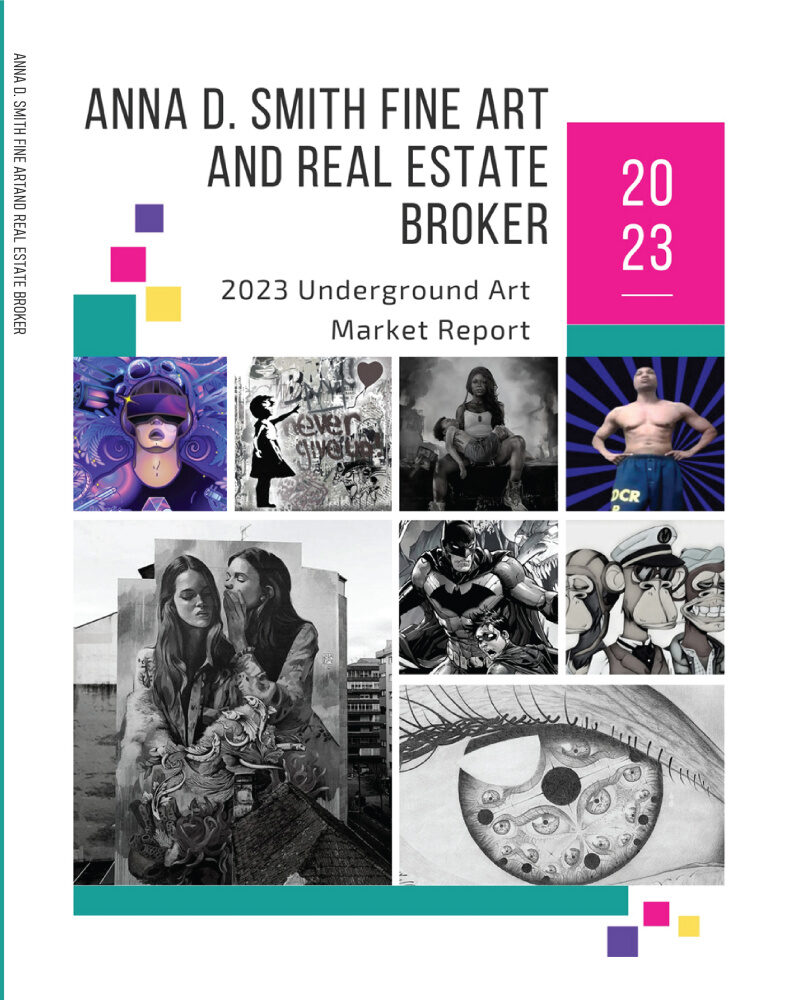
The NFT (Non-Fungible Token) ecosystem encompasses platforms, technologies, communities, and marketplaces that revolve around the creation, trading, and consumption of NFTs. It includes blockchain platforms, NFT marketplaces, digital wallets, creators, collectors, DeFi integration, social platforms, gaming integration, legal considerations, and innovative projects. NFT-based products refer to digital or physical items represented as NFTs on a blockchain, covering categories such as digital art, collectibles, music, virtual real estate, domain names, digital fashion, books, event tickets, and tokenized real-world assets.
Introduction
The NFT ecosystem consists of various components that contribute to the creation, trading, and consumption of NFTs. These components include blockchain platforms, smart contracts, NFT marketplaces, NFT wallets, creators and artists, collectors and investors, DeFi integration, community and social platforms, gaming and virtual worlds, legal and regulatory frameworks, and innovative NFT projects.
Main Points
- Blockchain Platforms: Ethereum is the dominant blockchain for NFTs, but other platforms like Binance Smart Chain, Flow, and Polygon have gained popularity.
- Smart Contracts: These contracts define the rules and functionalities of NFTs and are created on blockchain platforms.
- NFT Marketplaces: These platforms facilitate buying, selling, and trading of NFTs, connecting creators and collectors.
- NFT Wallets: Digital wallets designed to store and manage NFTs, supporting the respective blockchain on which they are created.
- Creators and Artists: Individuals or entities who produce digital or physical content that is tokenized as NFTs.
- Collectors and Investors: Individuals who purchase and hold NFTs for personal enjoyment, investment, or speculation.
- DeFi and Finance Integration: Some projects integrate NFTs with decentralized finance platforms for additional financial opportunities.
- Community and Social Platforms: Online communities and social platforms where NFT creators and collectors gather to discuss, share, and promote NFTs.
- Gaming and Virtual Worlds: Integration of NFTs into gaming ecosystems and virtual worlds, tokenizing virtual assets and in-game items.
- Legal and Regulatory Frameworks: Considerations around intellectual property, copyright, and compliance with local regulations in the NFT ecosystem.
- Innovative NFT Projects: Various projects explore new use cases and technologies within the NFT ecosystem.
Conclusion
The emergence of innovative NFT-based product ideas signifies a dynamic shift in the NFT ecosystem. These ideas redefine digital ownership and pave the way for a more diverse, interactive, and inclusive digital landscape. Dynamic NFTs, decentralized identity, interactive gaming, carbon offset NFTs, virtual reality assets, social tokens, NFT royalties, blockchain-based education credentials, physical asset tracking, health and wellness NFTs, and more are among the upcoming concepts that could shape the future of NFTs.