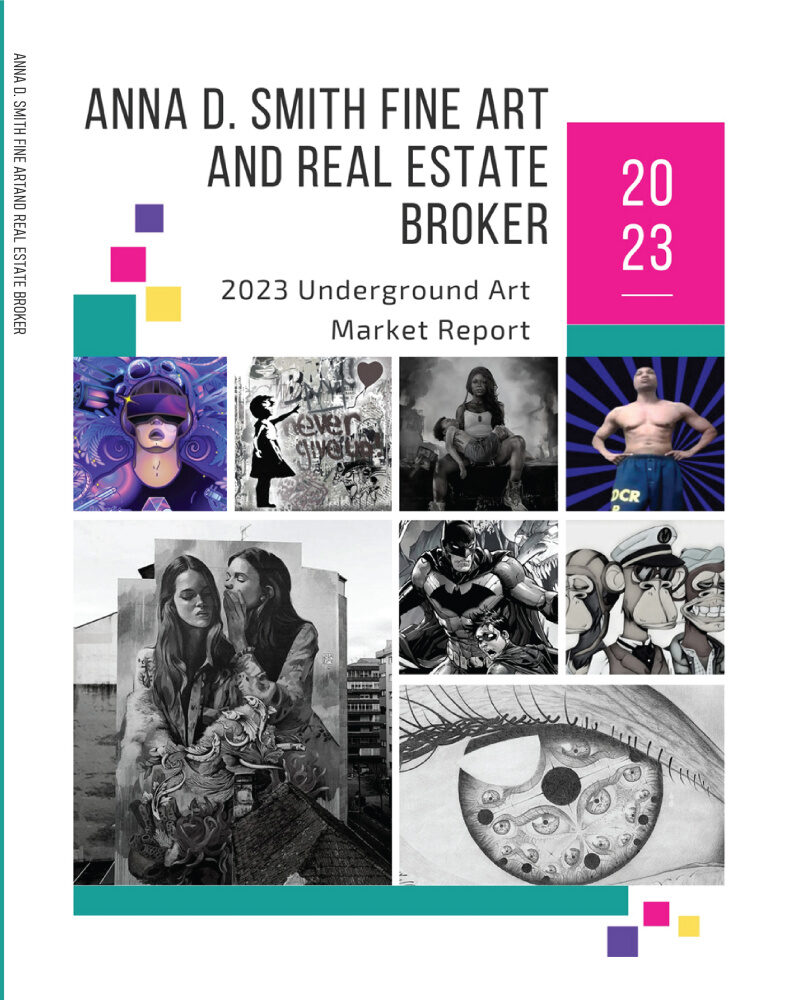
The advent of Non-Fungible Tokens (NFTs) has created a paradigm shift in how reality and virtual worlds intersect. NFT development has not only brought tangible assets into the digital realm but has also enhanced their liquidity and accessibility. From tokenizing real-world assets to creating virtual twins and enhancing supply chain transparency, NFTs are revolutionizing various industries.
Introduction
The transformative impact of NFT development in bridging the gap between reality and virtual worlds is undeniable. NFTs, grounded in blockchain technology, allow for the representation of real-world assets in the digital realm, empowering individuals with digital ownership and unique rights.
Main Points
1. Tokenizing Real-World Assets
NFT development enables the representation of tangible assets like real estate, art, and physical goods as digital assets, enhancing their liquidity and accessibility.
2. Digital Ownership of Physical Items
Owning an NFT representing a real-world asset grants users unique rights, such as access to exclusive content and participation in decision-making processes.
3. Creating Virtual Twins
Developers can create virtual twins of physical objects in the form of NFTs, enabling users to interact with, showcase, and trade representations of real-world items within digital spaces.
4. Enhancing Supply Chain Transparency
NFTs are utilized in supply chain management to enhance transparency, traceability, and authenticity, providing consumers with real-time insights into the origins and journey of products.
5. Unlocking Virtual Real Estate
NFT development extends to virtual real estate, where users can buy, sell, and own parcels of virtual land represented as NFTs, blurring the lines between the physical and virtual.
6. Immersive Digital Art Galleries
NFTs are revolutionizing the art world by transforming it into a globally accessible digital space. Digital art represented as NFTs can be exhibited in virtual galleries, offering an immersive experience for artists and enthusiasts.
7. Incorporating Augmented Reality (AR)
NFTs can be visualized through AR applications, blurring the lines between the physical and digital realms and creating interactive experiences for users.
8. Dynamic Personalization in Virtual Worlds
Users can adorn their digital environments with NFTs representing real-world items, creating personalized connections between the physical and virtual aspects of their lives.
9. Tokenized Experiences
NFTs enable the tokenization of intangible experiences, allowing users to access virtual events and exclusive content through unique and tradable digital tokens.
10. Fostering Cross-Reality Interactions
NFT development enables seamless transitions between physical and virtual spaces, fostering a fluid connection between possessions and experiences in both realities.
Conclusion
NFT development is transforming the way we perceive and interact with both virtual and real-world assets. With continued innovation, NFTs have the potential to create a future where the tangible and digital seamlessly coexist, offering a rich and interconnected tapestry of experiences and ownership.