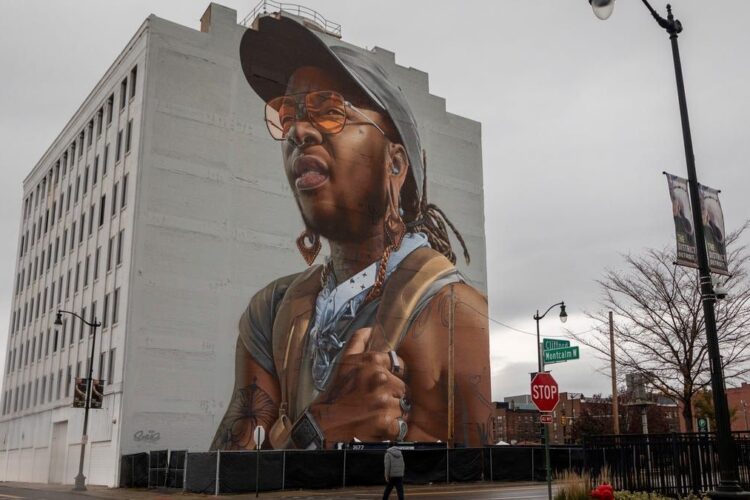
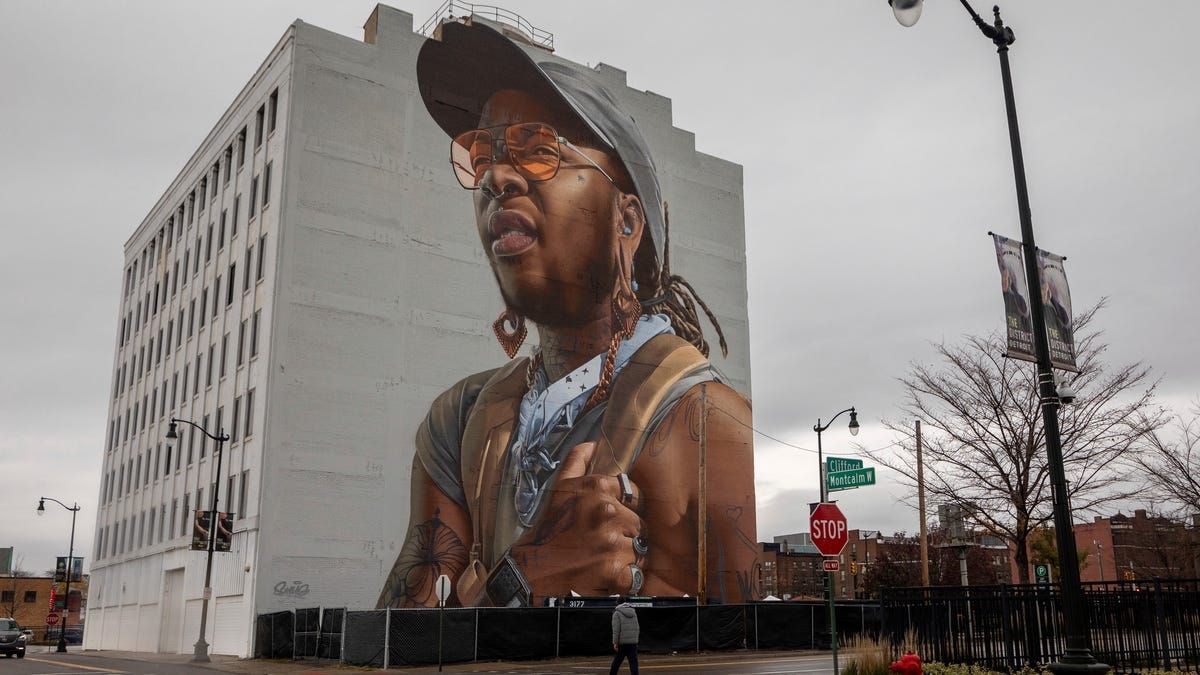
The frigid air of Detroit’s winter was uncharacteristically warmed by a burgeoning controversy that transcended the realm of art, spiraling into a complex narrative of governance, local sentiment, and the unyielding quest for transparency. At the heart of this saga lay the commissioning of seven murals by the New York-based art group, Street Art for Mankind, intended to beautify the city ahead of the NFL Draft. What was envisioned as a testament to urban rejuvenation rapidly devolved into a contentious debate, casting a shadow over the intentions and methodologies of those at the helm of Detroit’s planning and development.
The Stirring of a Storm
The seeds of discord were sown when the Detroit City Council, in an unprecedented move, rejected a $215,000 contract with Street Art for Mankind in January. The controversy was not merely about the artwork or its creators but underscored a deeper issue of bypassing local artists in favor of an international group. This decision, executed without the Council’s authorization by Antoine Bryant, Detroit’s director of planning and development, ignited frustration among council members and disapproval from Mayor Mike Duggan. The scenario highlighted a glaring oversight in the city’s engagement with its vibrant local art community, raising questions about the valuation of homegrown talent versus global names.
The Battle for Transparency
In the aftermath, attempts by the Free Press to unearth details about the project through a Freedom of Information Act (FOIA) request were met with a staggering quote of over $17,000 for the records. This exorbitant fee threw into sharp relief the challenges facing journalists and open records advocates in Michigan, where the state’s FOIA law has come under criticism for permitting excessive fees and delays that significantly hinder public access to information. The mural controversy, thus, morphed into a broader discourse on the accessibility of public records and the transparency of governmental operations, with implications far beyond the realm of art.
Reflections and Repercussions
The fallout from the mural project and the subsequent public outcry serve as a poignant reminder of the delicate balance between beautification initiatives and the imperative to respect and involve local communities and talents. While the intention to polish the city’s image before a major event like the NFL Draft is understandable, the manner of execution raises critical questions about the processes and policies governing public art projects in Detroit. Moreover, the controversy has sparked a necessary conversation about the state of FOIA laws in Michigan, pressing for reforms that would ensure greater transparency and accountability in public administration.
As the dust settles on this episode, one thing remains clear: the path to beautifying a city is fraught with complexities that extend well beyond the canvas. The Detroit mural controversy not only underscores the need for a more inclusive approach to public art projects but also serves as a catalyst for a reevaluation of transparency mechanisms in public governance. In a city as rich and diverse as Detroit, the voices of local artists and the community at large are indispensable to the narrative of rejuvenation and growth.