
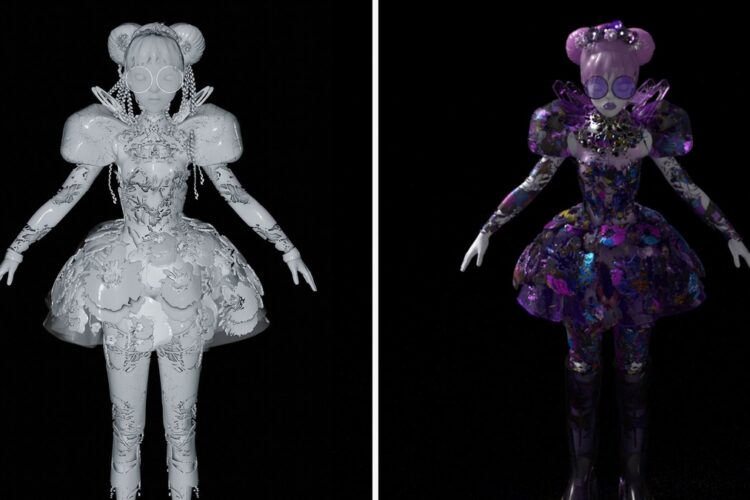
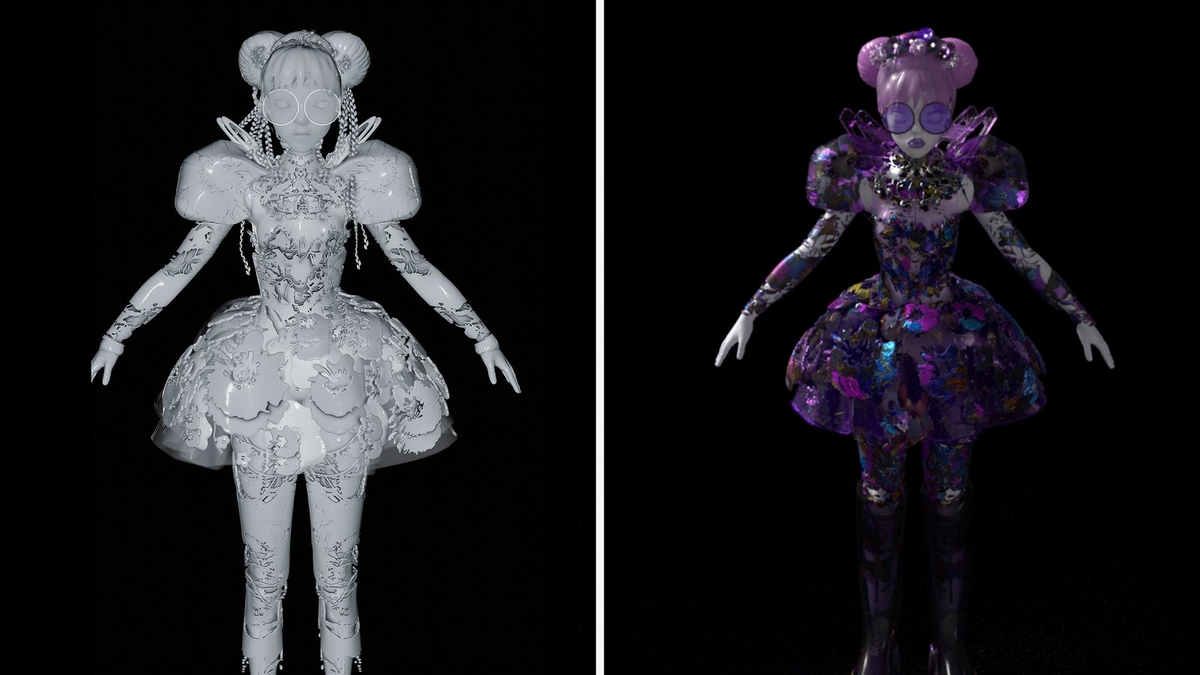
Gucci’s name has always been synonymous with innovation and style in the fashion industry. Recently, the brand has cemented its top position for innovation in the Vogue Business Index by pioneering the use of generative AI, Non-Fungible Tokens (NFTs), virtual fashion shows, and digital exhibits. These bold, technology-driven moves are not just about staying relevant in a rapidly evolving industry; they are adding a fresh dimension to the fashion world by integrating the physical and digital realms – a concept known as ‘phygital’.
The Rise of the Phygital Era
Phygital refers to an environment where physical and digital elements are not only intertwined but also enhance each other to create a unique and immersive experience. Gucci has been at the forefront of this transformation, using phygital drops and producing fashion shows in virtual worlds. These initiatives reflect changing consumer desires, with metaverse launches often accompanying real-world add-ons, further blurring the lines between the digital and physical realities.
Generative AI: Changing the Fashion Landscape
Generative AI has been a game-changer for Gucci, enabling the brand to stand out in a competitive market. The technology allows for the creation of new, unique designs by learning from existing styles and trends, thus automating and accelerating the design process. This use of AI is not only reshaping the job of fashion forecasters but is also democratizing the fashion industry by making trend forecasting more accessible and volatile.
Gucci and NFTs: A Digital Milestone
Another groundbreaking move by Gucci has been its venture into the world of NFTs. By launching digital exhibits and selling fashion as NFTs, Gucci has embraced the digital revolution, providing a new avenue for expressing fashion and creativity. This move signifies the brand’s understanding of the evolving digital landscape and its commitment to staying ahead of the curve.
Traceability and Supply Chain: A Focus on Sustainability
Gucci’s innovative approach isn’t restricted to design and marketing alone; it extends to its supply chain management. The brand is focusing on traceability in the fashion industry, emphasizing transparency and sustainability. This focus on ethical sourcing and production not only enhances the brand’s reputation but also appeals to the increasingly conscious consumer base.
Conclusion
Gucci’s innovative use of generative AI, phygital drops, NFTs, and its focus on traceability and supply chain demonstrates the brand’s commitment to staying ahead in a digitally-driven world. This approach has not only differentiated Gucci in the market but has also set a new precedent for other brands in the industry. As fashion continues to evolve in the phygital era, it will be interesting to see how other brands adapt and innovate to meet changing consumer desires.