
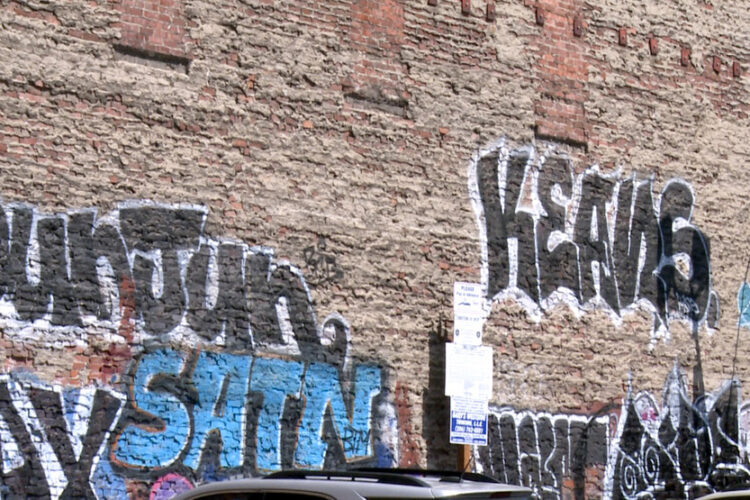
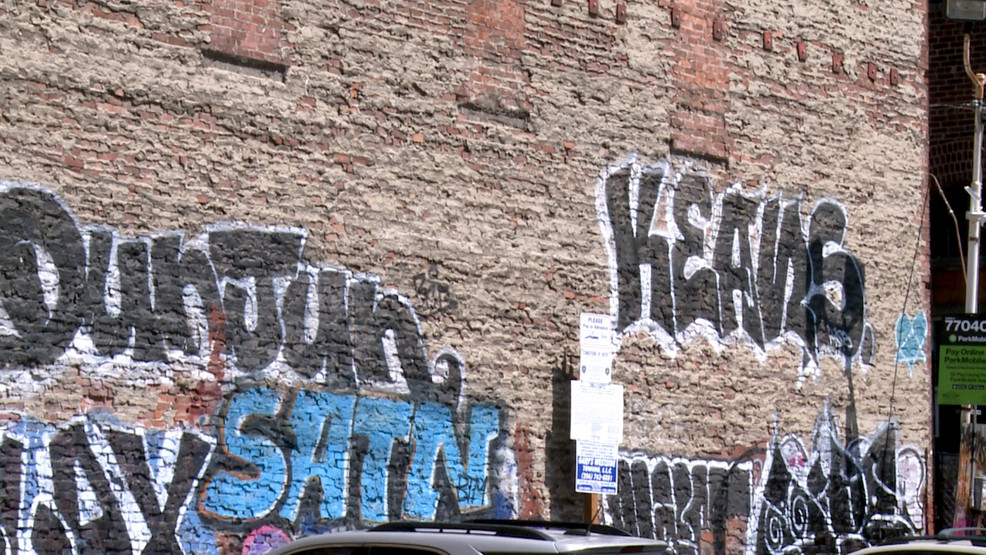
SEATTLE — Seattle’s City Attorney announced on Friday the U.S. Court of Appeals – for the Ninth Circuit – has reversed a court ruling that stopped the city of Seattle’s ability to enforce its graffiti ordinance.
Seattle City Attorney Ann Davison filed an appeal last July that blocked city prosecutors from charging people under the municipal graffiti law. U.S. District Court Judge Marsha Pechman said the Seattle municipal code was too broad and posed a “real and substantial threat of censorship.”
The appeal came after a federal judge ruled last June that Seattle police cannot make arrests in certain cases that involve graffiti. Judge Pechman later issued an order clarifying the injunction, stating the city or police can prosecute people who intentionally damage the property of others.
The order stated offenders can be charged with a gross misdemeanor for crimes like window smashing or other damage to personal property. But police cannot arrest someone caught vandalizing property with graffiti. The order says it aims to avoid criminalizing free speech.
RELATED: ‘There’s no repercussions’: Seattleites concerned over ruling limiting enforcement of graffiti
Davison made oral arguments to the court on Jan. 9, 2024, and the Court of Appeals made its ruling Friday morning.
The people of Seattle won an important victory today when the Ninth Circuit upheld our City’s right to enforce our laws against graffiti property destruction,” said City Attorney Davison. “Graffiti is a massive problem for our City, costing taxpayers, businesses, and residents millions of dollars while creating widespread visual blight. We must have as many tools as possible to protect neighbors and residents impacted by graffiti.
The injunction stemmed from a lawsuit filed by protesters who were prosecuted under the city’s graffiti law for using sidewalk chalk during a 2021 demonstration outside the Seattle Police Department East Precinct.
RELATED: Seattle city attorney appeals federal injunction blocking enforcement of graffiti law
The lawsuit claimed the city code was so broad that it gave police and prosecutors the ability to selectively prosecute protesters who used sidewalk chalk to criticize the government.