
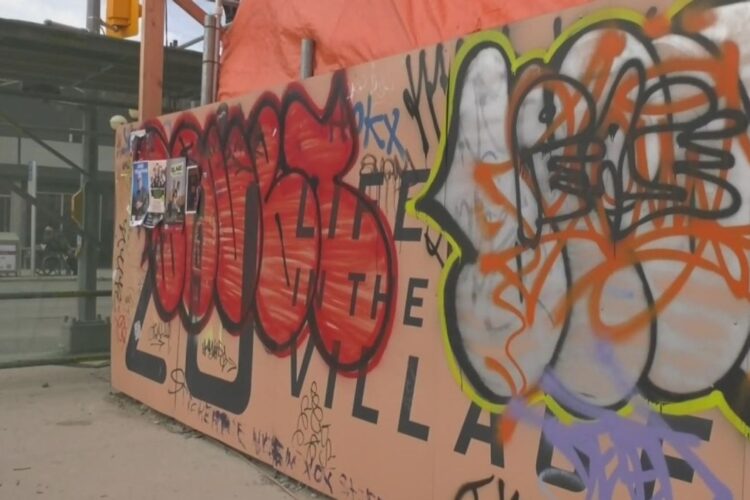
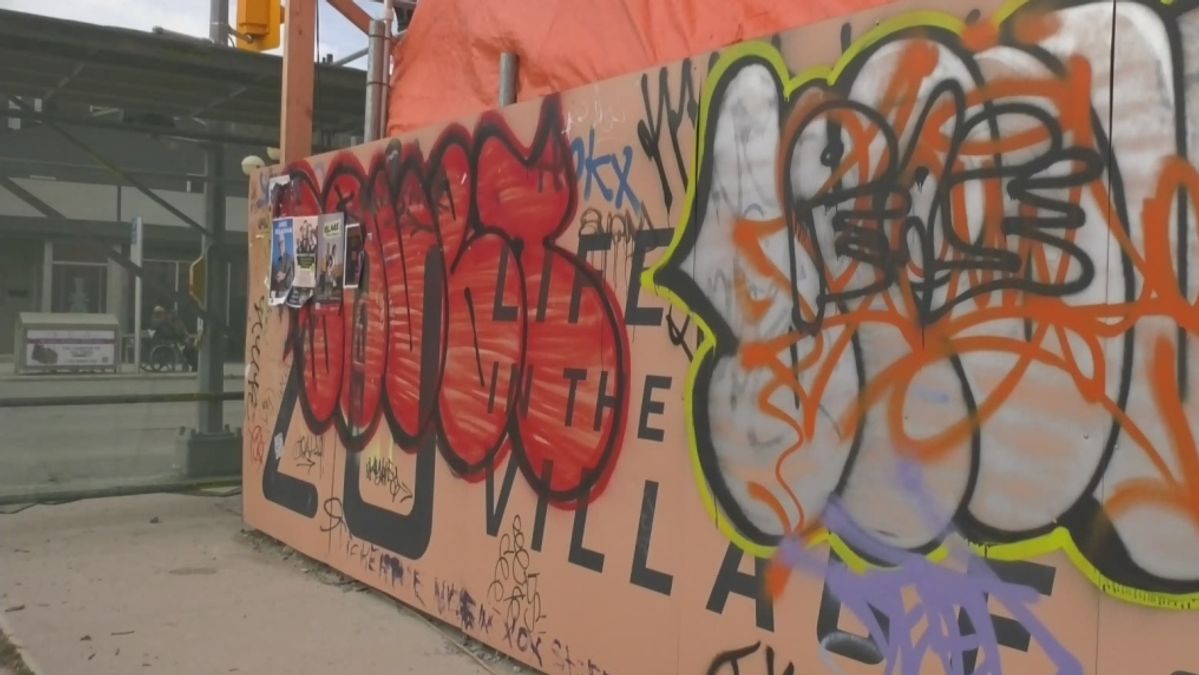
The City of Winnipeg’s recent report illuminates the financial and logistical challenges of managing graffiti, revealing an expenditure of approximately $1.4 million in the past year on graffiti removal, with projections estimating a rise to $1.5 million in 2024. The report, set for discussion in the upcoming public works committee meeting, outlines the fluctuating trends in graffiti incidents and the city’s proactive and reactive strategies to combat this issue.
Graffiti Trends and City Response
According to the report, the number of graffiti removal requests has shown significant variation from 2018 to 2022, with a notable decrease in 2020 attributed to the COVID-19 pandemic. The city employs a ‘blitzing’ strategy, where city workers proactively identify and remove graffiti. Despite the fluctuations, 2021 saw a peak in removal requests, which then declined sharply in 2022. This pattern reflects the city’s ongoing battle against graffiti and its commitment to keeping public and private properties clean.
Challenges in Graffiti Removal
One of the report’s key challenges is the necessity for the city to obtain permission from property owners before removing graffiti from private properties. This process is hampered by legislative and bylaw restrictions, which limit the city’s rights of entry onto private property for graffiti removal. The report voices concerns over the safety of employees tasked with removing graffiti from private and business properties and highlights the inefficiency of potentially creating and enforcing new bylaw requirements for quicker removal.
Financial Implications and Future Projections
The city’s expenditure on graffiti cleanup has reached approximately $1.4 million in the last year, with projections indicating a slight increase to $1.5 million in 2024. These figures underscore the financial burden of graffiti removal on the city’s budget and the importance of finding effective, efficient, and safe methods to address this issue. The upcoming public works committee meeting on March 5 will further discuss the report’s findings and its implications for Winnipeg’s approach to graffiti management.
As Winnipeg continues to navigate the challenges of graffiti removal, the city’s efforts to maintain clean and safe public spaces remain a priority. The report’s findings and the upcoming committee discussions will likely influence future strategies and policies aimed at reducing the impact of graffiti on the city’s landscape and financial resources.