

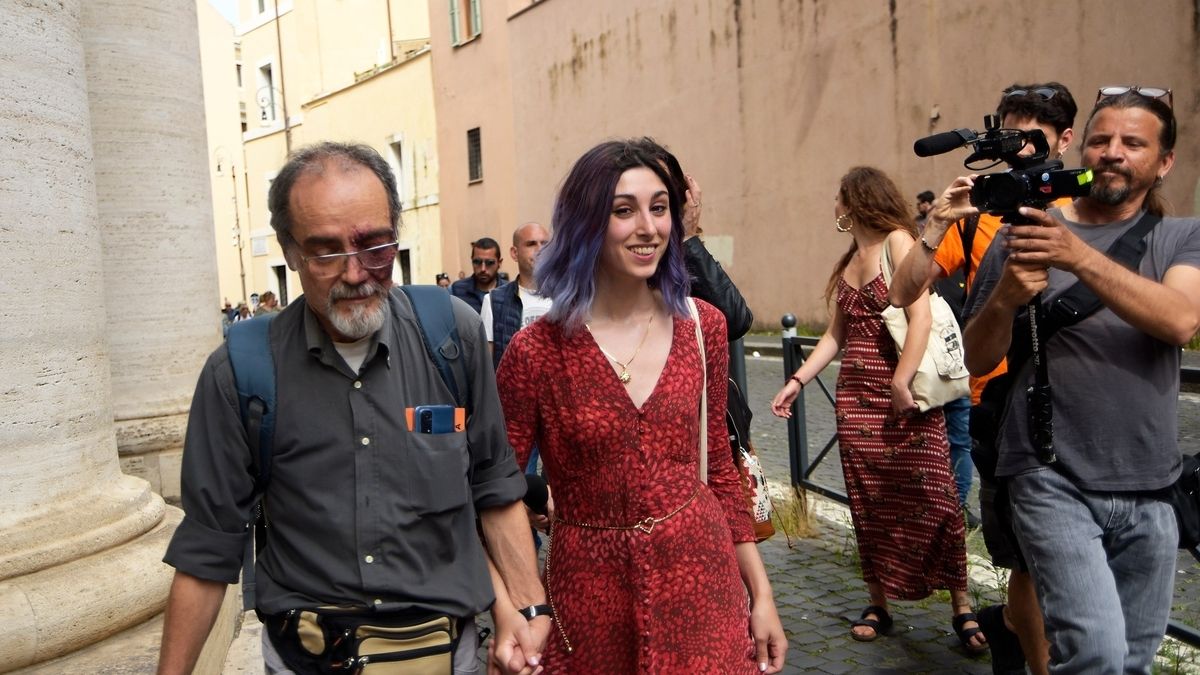
Three members of the Ultima Generazione group faced legal consequences after a protest stunt that left the external walls of the Senate in Rome painted red. On January 2, 2023, aiming to spotlight the climate crisis, the activists executed a vivid demonstration that led to an eight-month suspended jail sentence and a hefty fine of 60,000 euros, directed towards the Senate, the culture ministry, and Rome city council. This incident underscores the escalating tension between environmental advocacy and legal boundaries in Italy.
Rising Tensions in Environmental Activism
Ultima Generazione, known for its dramatic protests to bring attention to climate change, argues that the paint used in their stunts is easily washable. Their actions, including the controversial painting of famous artworks and historical monuments, aim to provoke urgent dialogue on environmental issues. However, these tactics have sparked a legal and societal debate about the line between activism and vandalism, with authorities imposing stricter laws against protestors. A recent law, effective from January 19, severely penalizes actions deemed damaging to cultural or landscape assets, a direct response to activities similar to those of Ultima Generazione.
Legal Backdrop and Sentencing
The court’s decision to impose a suspended sentence alongside a significant fine illustrates the judiciary’s attempt to balance the act’s ethical motivations against its legal implications. This sentencing reflects a broader trend in Italy, where the government has been enacting more restrictive laws aimed at curbing freedoms related to demonstrations and public gatherings. Notably, these legal adjustments come amid increasing concerns over the suppression of dissent and freedom of expression, as highlighted in reports criticizing Italy’s approach to handling protests and activist movements.
Implications for Future Protests
The repercussions of the Rome Senate incident for Ultima Generazione and similar groups are profound. With the new legislation imposing harsher penalties for damaging cultural or landscape assets, activists are now facing a more hostile legal environment. This raises questions about the future of environmental protests in Italy and whether such punitive measures will deter or fuel further acts of civil disobedience. The delicate balance between safeguarding cultural heritage and allowing space for urgent climate activism has never been more contentious.
As Italy grapples with the complexities of addressing climate change while maintaining public order, the case of the Ultima Generazione activists serves as a pivotal moment. It challenges society to consider how best to accommodate the pressing need for environmental advocacy within the framework of existing laws and cultural values. Regardless of one’s stance on their methods, the conversation about climate action and civil liberties continues to evolve, with this incident marking a significant chapter in Italy’s environmental movement.