
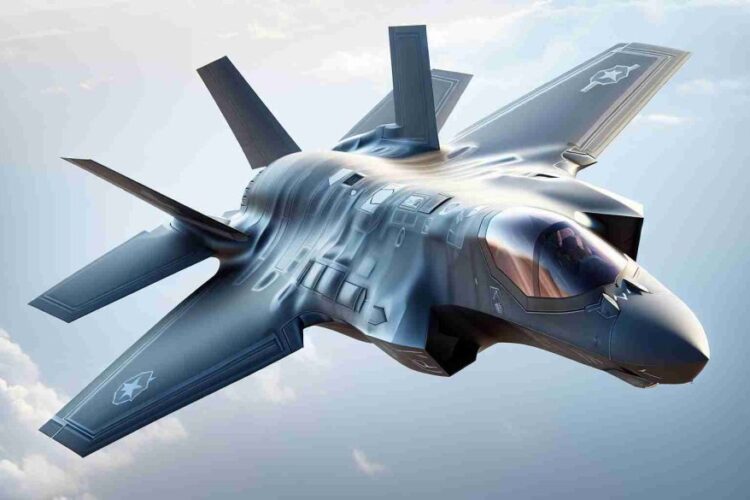
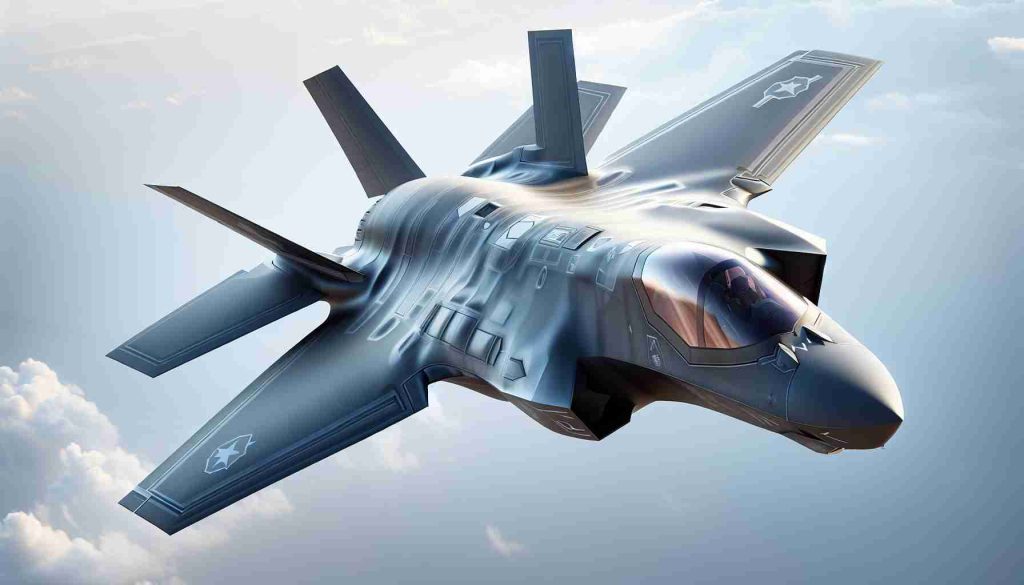
As the realm of military aviation evolves, one jet has sky-rocketed in popularity far beyond the air – the F-35 Lightning II. Not content with dominating the skies, the fifth-generation fighter jet has become a symbol of technological prowess, captivating the digital space with its presence on screens across the world.
From aeronautic breakthroughs to its embodiment of air superiority, the F-35 is more than an aircraft; it has become a digital emblem of 21st-century warfare. With stealth to slip past radar and a suite of state-of-the-art electronics, the F-35 is celebrated as the pinnacle of aerial dominance. Its angular form and mighty aura have made it the ultimate wallpaper muse for enthusiasts and industry experts, conveying power and sophistication with its every portrayal.
Visual artists and photographers are impassioned to showcase the F-35’s majestic aura, whether it’s cutting through cloud banks or primed for action on the tarmac. These images, imbued with the jet’s formidable spirit, transform desktops and smartphones into a canvas that pays homage to contemporary martial artistry.
This visual adoration for the F-35 has fueled the proliferation of wallpaper options, both from military aficionados and defense organizations, providing a daily digital homage to the marvels of airpower. With each dawn formation or evening silhouette, the jet’s image reinforces its presence as a beacon of modern innovation in military aviation.
Summary: The F-35 Lightning II, a marvel of modern warfare technology, extends its influence beyond the clouds into the digital realm, becoming a favorite subject for wallpapers and digital art. Its stealth, electronic systems, and multirole capabilities not only assert air supremacy but also inspire a visual homage to the advancements in military aviation. High-quality images of the F-35 can be found on official military sites and through online aviation communities, echoing the jet’s status as an icon of the digital age.
The F-35 Lightning II represents a significant leap forward in military aviation technology and has become a cornerstone of defense for many countries worldwide. The program itself, the largest and most expensive military weapons system in history, has had a profound impact on the aerospace and defense industry, with numerous economies benefiting from its production through manufacturing and supply chain contributions.
Industry Impact and Market Forecasts: While the F-35 program has faced its share of challenges, including cost overruns and technical issues, its momentum remains strong. The global market for fifth-generation fighter aircraft is anticipated to grow significantly as nations modernize their air forces to maintain competitive military capabilities. Demand for advanced multirole fighters like the F-35, with their stealth technology, networked data fusion from sensors and avionics, and improved combat capabilities, is expected to drive market expansion through the next decade.
Moreover, as countries seek to bolster their defenses and interoperability with allies, particularly in response to geopolitical tensions, the F-35 is seen as a key component of strategic military alliances. The United States continues to promote the F-35 Joint Strike Fighter program to allies, and international interest remains high, with numerous countries either already participating or considering future procurement of the F-35 for their armed forces.
Key Issues: Despite the enthusiasm surrounding the F-35, the program is not without controversy. There have been debates over the cost-effectiveness of the jet, as well as concerns about operational readiness, sustainment, and the ability to keep maintenance costs down. Furthermore, the complexity of integrating such advanced technology platforms into various nations’ existing military infrastructures poses additional challenges.
Developmental hurdles such as software issues and concerns over pilot safety continue to be addressed, as the manufacturers and military services work to optimize the aircraft’s performance and reliability. The balancing act between technological innovation, cost, and operational capability continues to shape the discourse around the F-35 program.
For further information on the defense industry and the latest news regarding military aviation, interested readers can visit reputable sources, including defense.gov and lockheedmartin.com. These links provide official and industry-standard information, which is crucial for understanding the broad and complex horizon of the future of military aviation.

Natalia Toczkowska is a notable figure in digital health technology, recognized for her contributions in advancing telemedicine and healthcare apps. Her work focuses on developing innovative solutions to improve patient care and accessibility through technology. Toczkowska’s research and development in creating user-friendly, secure digital platforms have been instrumental in enhancing the effectiveness of remote medical consultations and patient monitoring. Her dedication to integrating technology in healthcare has not only improved patient outcomes but also streamlined healthcare processes, making her a key influencer in the field of digital health innovation.